
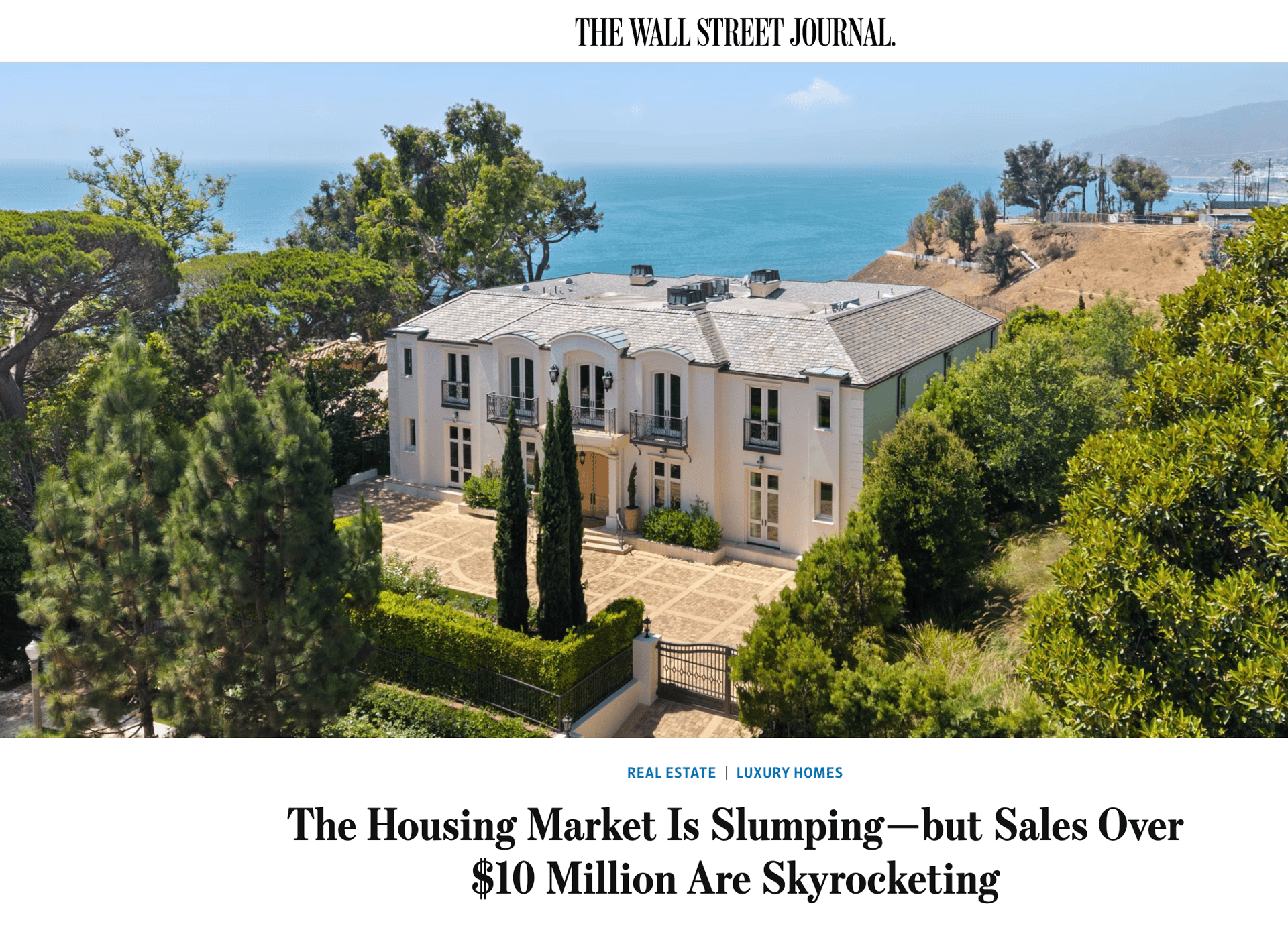
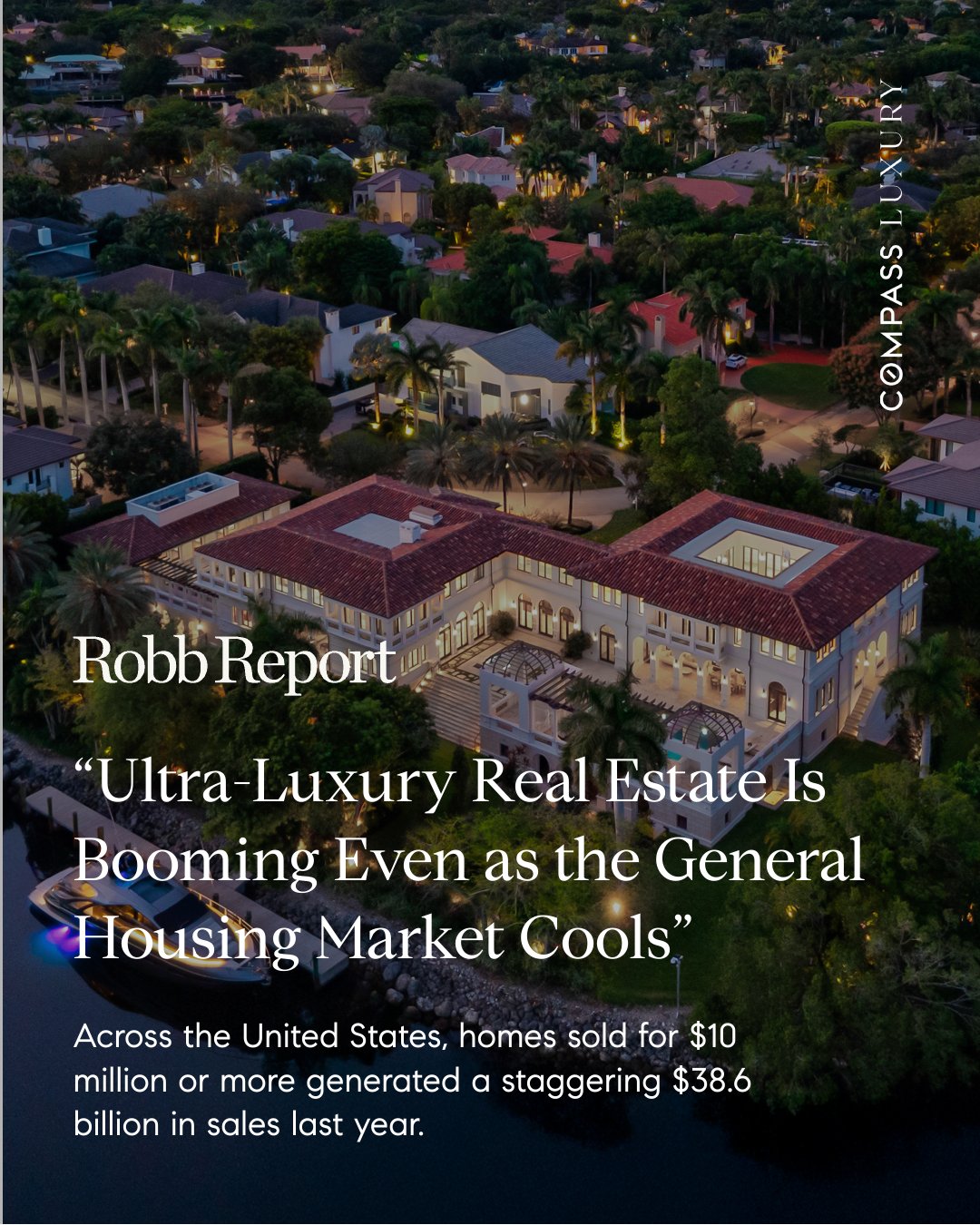
In the ultra-luxury segment, the noise of the broader housing market rarely applies. While the headlines often focus on volatility, the top tier of the market is moving with a different kind of intention. As recently reported by the Wall Street Journal, luxury home sales are seeing a notable resurgence, even as the rest of the market remains hindered by higher rates. Today, success for a buyer or seller isn't about moving fast; it is about moving correctly.
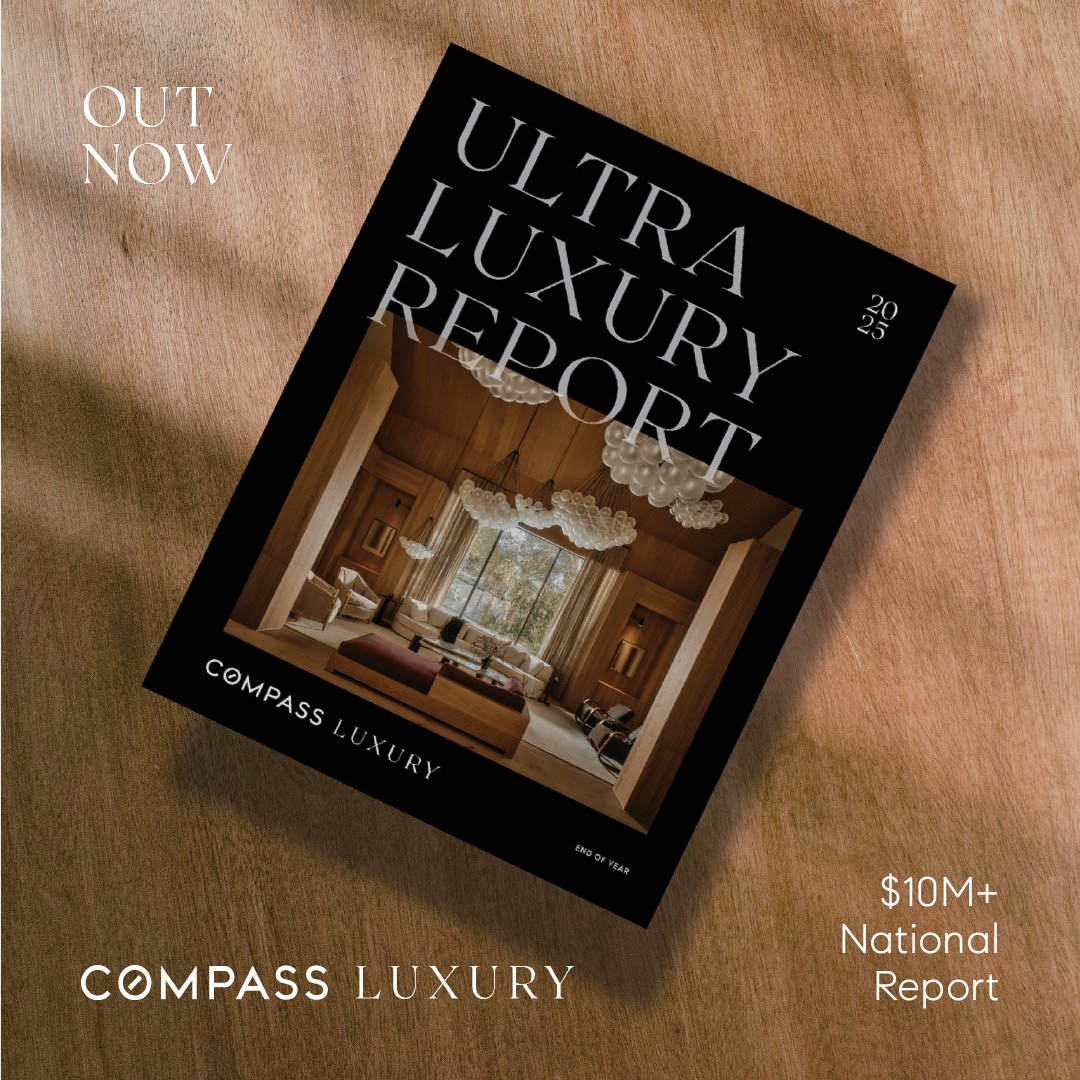
I’ve spent a lot of time analyzing the newly released 2025 Compass Ultra-Luxury Report. While the data covers the country's biggest markets, the underlying shifts it identifies are exactly what we are seeing play out in Boulder’s most exclusive micro-markets.
The Resilience of Tangible Assets
Despite a quieter few years for the broader U.S. market, ultra-luxury transactions rose 31% in 2025. This reflects the Wall Street Journal’s findings that high-end buyers are increasingly stepping off the sidelines. This wasn't a fluke; it was the direct result of massive liquidity from IPOs and M&A activity finding its way into high-end real estate. When wealth is created at this scale, it seeks the safety and permanence of a legacy home.
What is Driving the Market in 2026?
The Shift Toward Privacy and Discretion
In my experience, the most significant deals in Boulder often happen where the public can’t see them. Privacy has become the ultimate currency. We are seeing a major rise in off-market transactions because they allow both parties to negotiate with clarity and discretion, away from the speculation of the open market.
Architecture as a Value Driver
We are moving away from luxury as a "look" and toward luxury as a standard of build. Buyers in 2026 are looking for homes that prioritize architectural integrity, wellness-focused design, and long-term durability. A home that features advanced smart-home systems and sustainable materials is no longer considered "extra," it is the baseline for an asset of this caliber.
The AI Influence on Location
The "New Geography of Wealth" is real. The AI boom is concentrating capital in tech-forward hubs, and that wealth is migrating. Boulder has always been a beneficiary of this kind of migration, but the current wave is focused on founders and executives who view their primary residence as an extension of their professional success.
Looking Ahead
Boulder remains a uniquely constrained market. Since I began my work here in 2003, the fundamental truth has remained: there is only so much land, and even fewer homes that meet the standard of true ultra-luxury.
If you are evaluating your portfolio or considering a relocation, I am here to provide a long-term perspective on where our market is heading.
Key Market Inquiries
What makes a home "ultra-luxury" in Boulder? In our market, the $10 million mark is a primary indicator, but the price tag is only part of the story. True ultra-luxury is defined by scarcity—whether that is a specific architectural pedigree, a private estate with significant acreage, or a location that can never be replicated.
Is there still a premium for turnkey properties? More than ever. Affluent buyers view time as their most valuable asset. Properties that are genuinely turnkey and offer uncompromising quality allow buyers to move with confidence and ease, which consistently translates to a higher price per square foot.
How do I access off-market inventory? Because discretion is a priority for many high-net-worth sellers, many of the best properties never hit the MLS. Accessing this inventory requires a deep network within the Boulder brokerage community and a reputation for handling sensitive transactions with absolute privacy.